build a workplace where women's health isn't an afterthought.
Managers who know what to say, people who know where to go, and evidence that something changed.
Women's health at work is moving quickly. It's in the press, it's in the guidance, and it's in what your people now expect. Get ahead of it rather than react to it.
I'm Lucy. I train managers and teams, for organisations that know this matters and don't know where to begin. Start with one workshop, and we can build from there.
Not sure what's being asked of you yet? Read what the guidance actually says, summarised in plain English.
in the same folder as this file
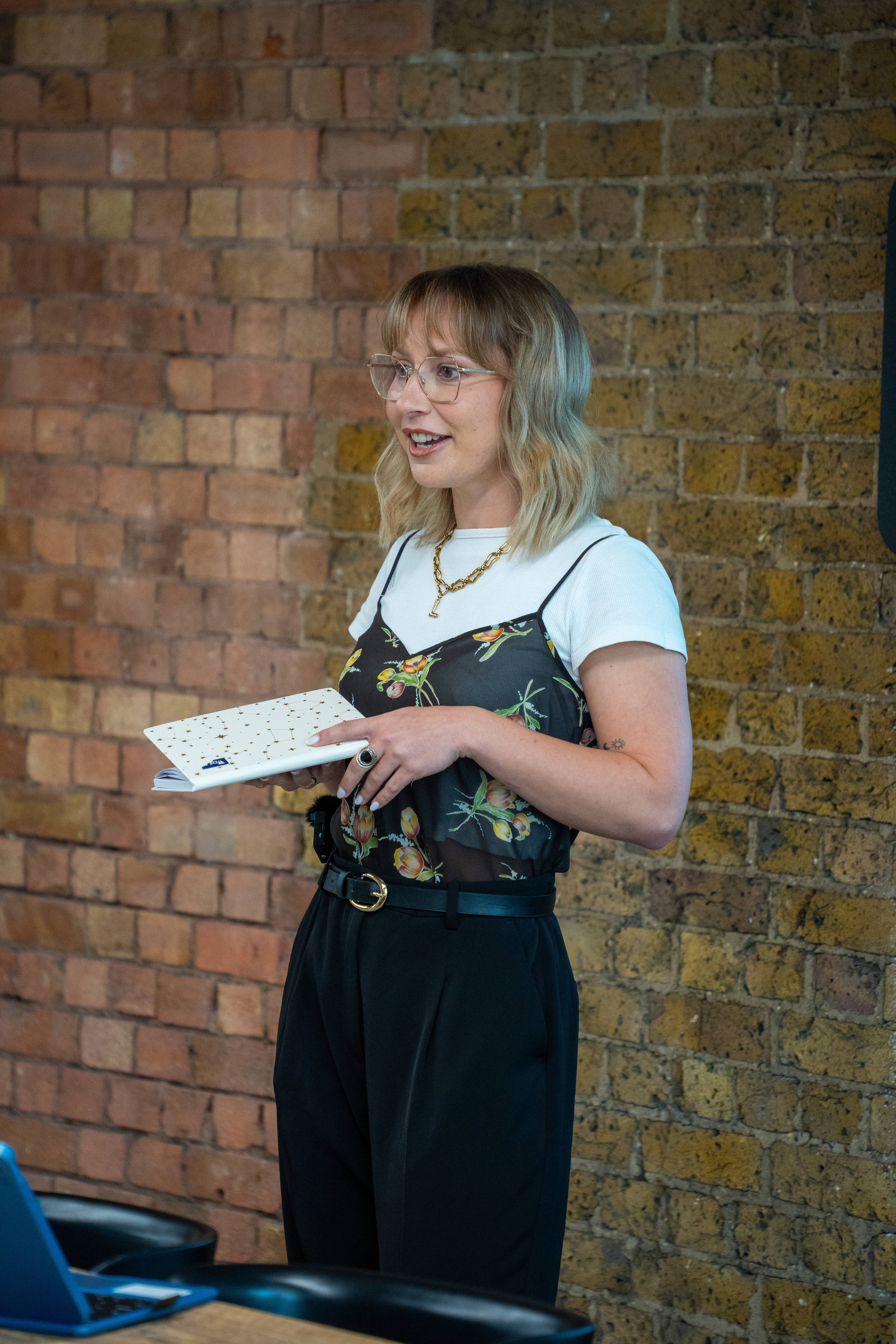
Ways to work together
start with one workshop
Most organisations start with a single session, because it's one date in the diary and you get to see how I am in a room with your people first. Once we've worked together, you can build on it in whatever way suits your people.
a single session
One workshop on one topic: menstrual health, menopause, or neurodiversity and hormones.
You end up with managers who know what to say, people who know it's alright to raise it, and a short report showing what actually shifted.
See the sessions →build on it
Another workshop on a different topic, or a session for your managers tailored to what they need.
You end up with support that fits your people, because by then I know your managers and what they're finding hard.
Talk it through →in the same folder as this file
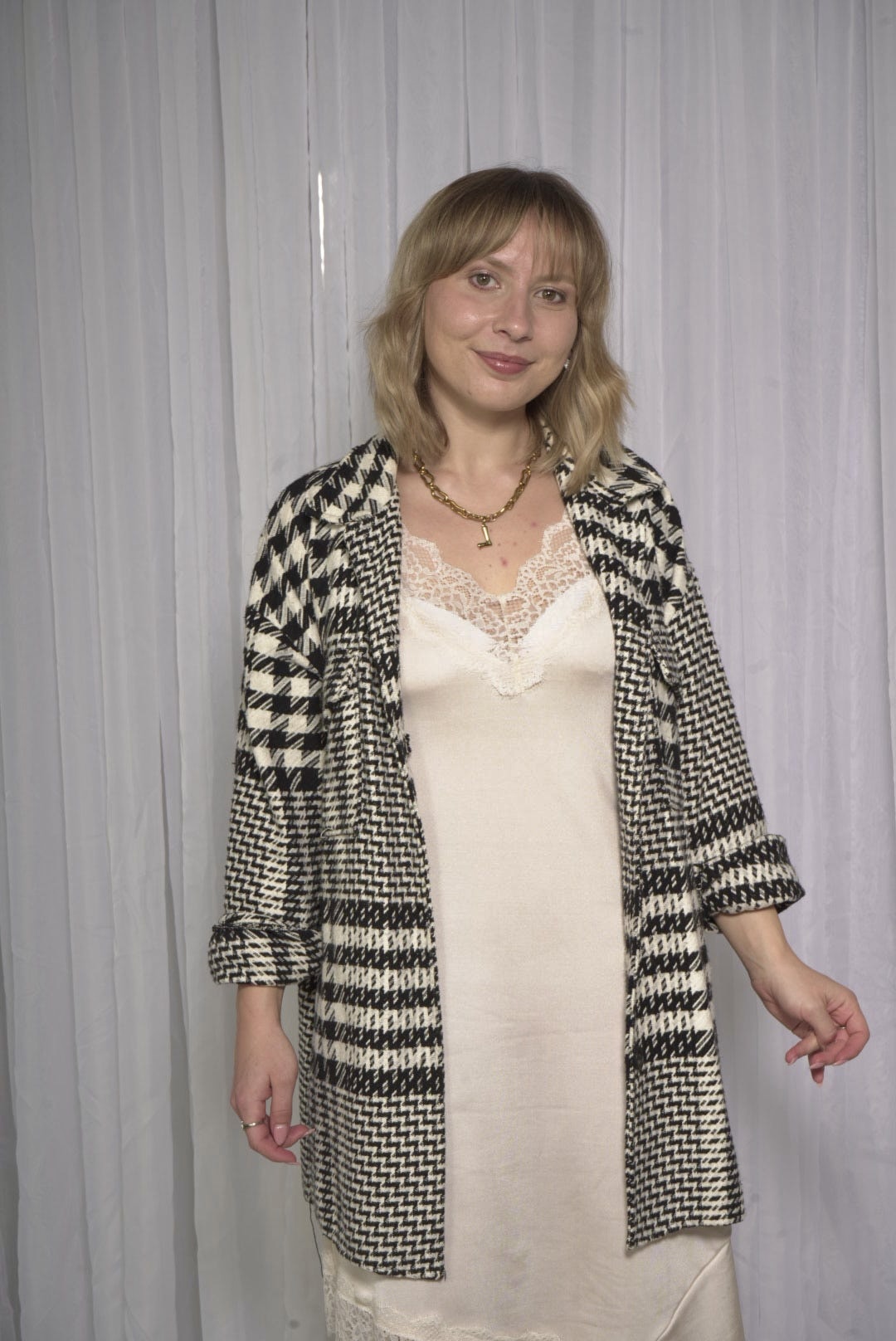
About
hi, i'm Lucy
I've spent years inside high-pressure, target-driven office environments, so I know exactly how this issue looks from the employer's side: it doesn't look like anything. It looks like a normal Tuesday, a vague sick day, a strong performer who's suddenly "not quite promotion-ready". I also know what it looks like from the other side, because I lived it. Weeks of feeling sharp and on top of everything, then weeks of working twice as hard for half the result, without understanding why.
When I finally understood what my hormones were doing to my energy, focus and mood, I could do something about it. That's the shift I now build inside organisations: turning something your people are already quietly managing into something your business can see, measure and support.
Menstrual health is where I started and where most of my delivery has been. It's the part of women's health that touches the most people for the longest stretch of their working lives, and it's the part organisations are least likely to have covered. I also run menopause and neurodiversity modules, because the questions never stay in one box. But cycle health is the work I know best, and it's the work I'd always rather be doing.
Where I'm different: the hard part of this has never been the biology. The clinical facts are published and quotable, and I quote them with their sources. What can't be looked up is what to say when someone sits down and starts explaining why they've been struggling for months, and what happens next in your organisation when they do. That's the part I train, and it's where this goes well or badly.
Why I do this
Women spend most of a working life around a body nobody ever explained to them, and most organisations only get to any of it at menopause, which is about thirty years late. My work is to make women's health something an organisation can see, talk about and act on, and to leave the people there able to handle it without me.
Results
what teams say after Lucy's been in
Gathered from anonymous post-session feedback, so people could be honest.
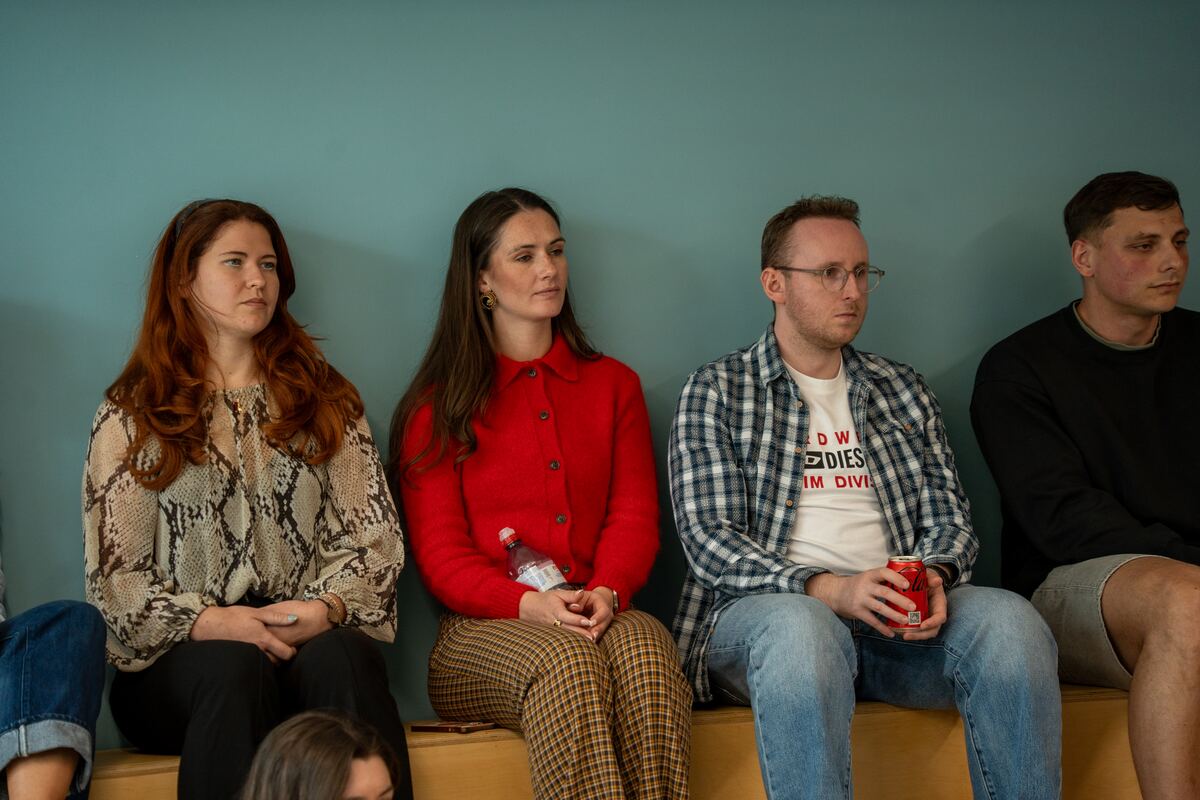
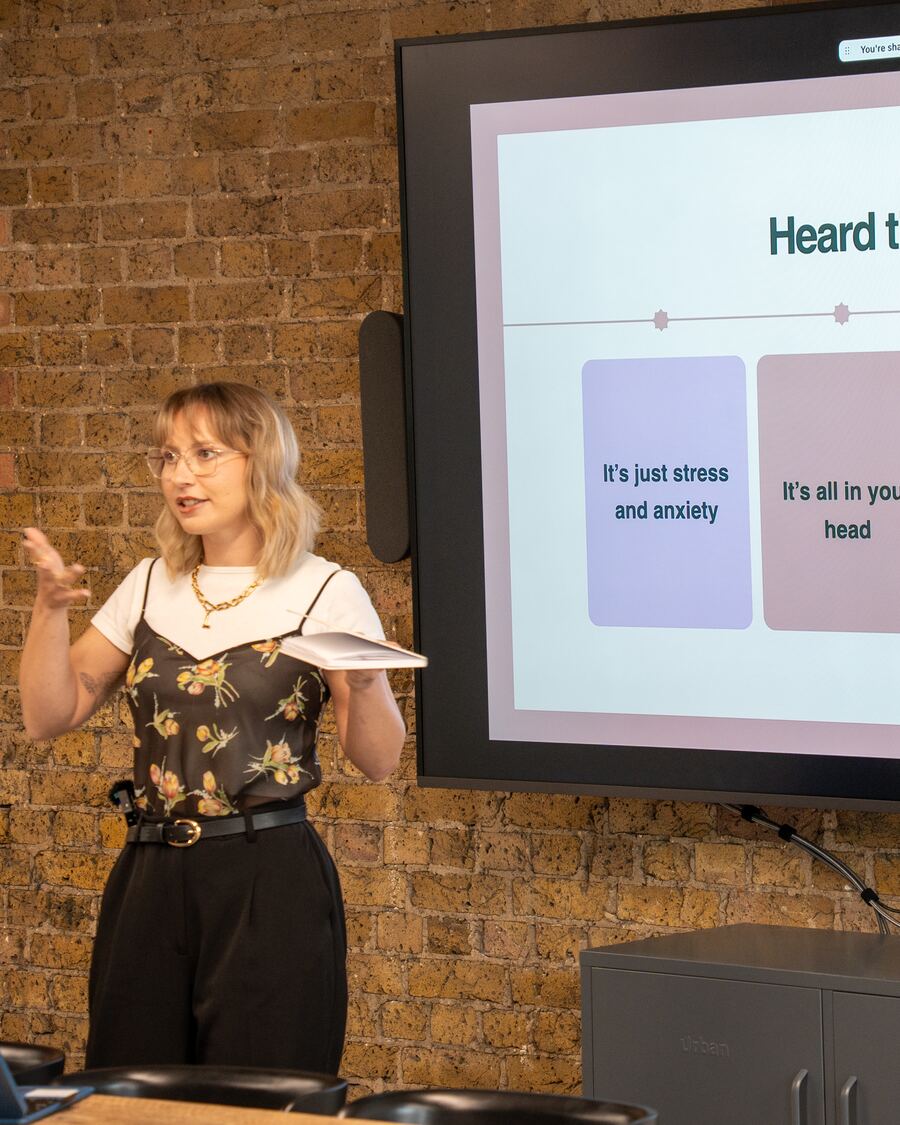
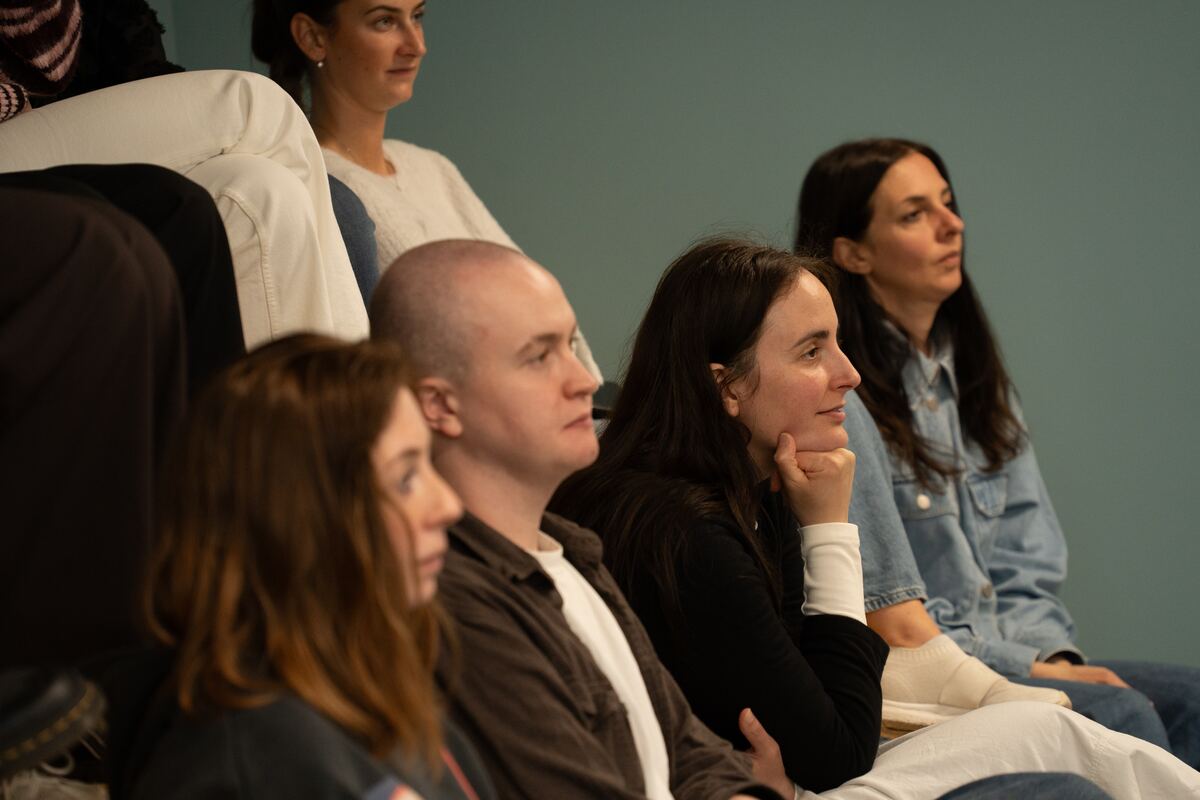
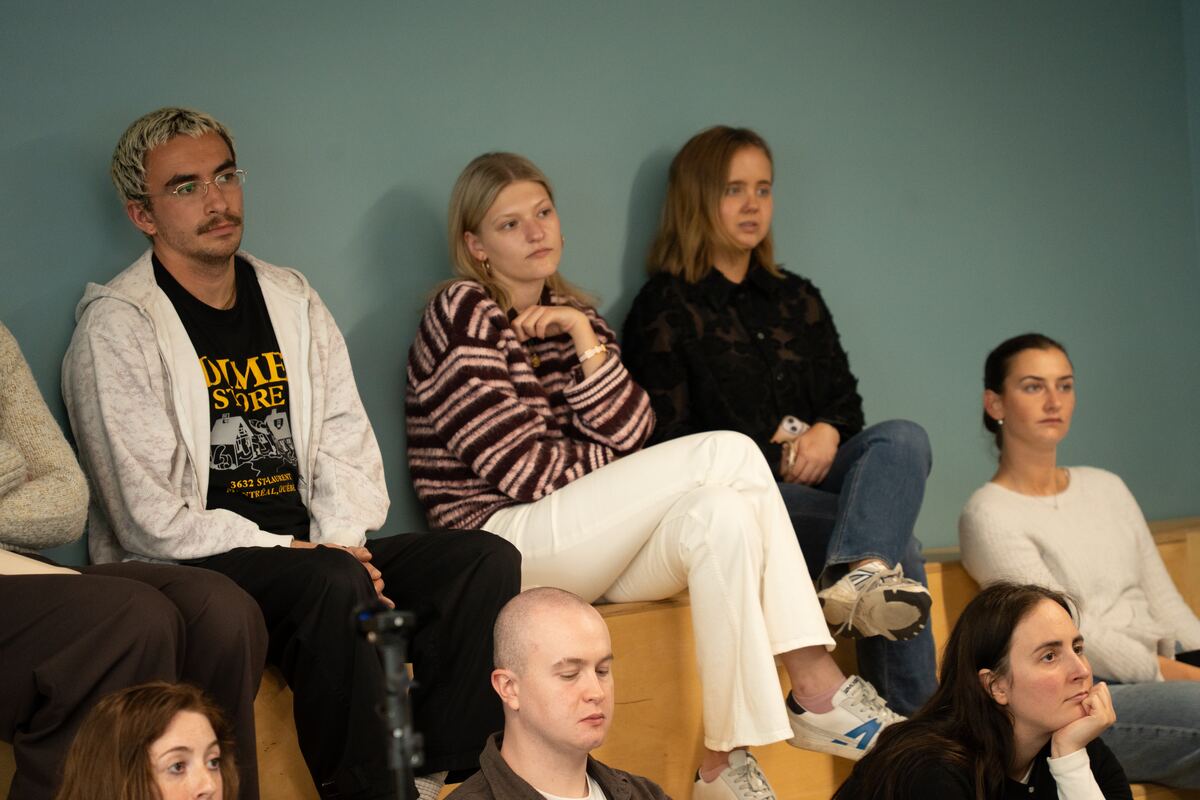
A recent lunch and learn session, delivered in person.
"It was a brilliant lunch and learn session for our team. Really engaging, informative and full of practical takeaways, and I'd absolutely recommend it. Lucy clearly has a huge amount of knowledge, but she explains everything in such an easy, relatable way that makes it really simple to digest and learn from."
"Lucy gave us valuable insights around the menstrual cycle, hormonal wellbeing, and the impact these can have on energy levels, focus and the demands of our work culture. What made it especially valuable was that it was relevant not only for people with a menstrual cycle, but for colleagues, partners, friends and parents."
"It was hugely beneficial as a guy to be there and understand what my colleagues are going through. Since the talk, I've noticed women being more honest about it, and it'll definitely impact the business positively. Highly recommend."
"Such an insightful and useful talk, which every company should have. Everything was explained so well and clearly, and I'm really excited to start taking on board all the great tips."
"It was great to understand the mood changes and the hormonal facts, and how to adapt your month to your cycle. Once you understand yourself better, you can only improve. These are simple changes you can do, and they'll make a massive difference."
"It's great to understand how colleagues might be affected by normal bodily processes throughout the month. It will definitely make me more considerate of colleagues' feelings and workloads when I'm asking for help."
"A new way of learning how our bodies work."
what we are, and what we're not
Luella Learning is a specialist training provider. We deliver interactive workshops and the anonymised data framework that evidences their impact. We do not conduct compliance audits, provide legal advice, or draft or amend workplace policies or handbooks, and no training provider can guarantee a legal or regulatory outcome.
Responsibility for compliance, including anything you choose to publish in an Equality Action Plan, remains with your organisation and its legal counsel. If you are publishing one, the impact report is evidence you can use within it. But it's training evidence, not compliance sign-off, and we'd never present it as more than that.
professional status & non-medical disclaimer
The content, workshops, and frameworks provided by Luella Learning are for educational, informational, and professional capability-building purposes only. Lucy Twilley holds a Level 6 Graduate Certificate in Humanistic and Psychodynamic Counselling and a Level 5 Coaching Professional qualification, and is currently studying towards the Master Female Trainer qualification with the Women's Fitness Academy. However, she does not practice as a clinical counsellor, therapist, or medical professional, and services are not delivered in a clinical capacity.
The training, discussions, and materials do not constitute medical advice, therapy, diagnosis, treatment, or clinical intervention, and attendance at a workshop or session does not create a counselling, therapeutic, or clinical relationship between any participant and Lucy Twilley or Luella Learning. Clients and workshop participants must not rely on any information provided during these sessions as an alternative to medical advice from a GP, Occupational Health practitioner, or other professional healthcare provider.
let's find the right first step for your people
A free 20-minute consult to work out what would actually help your people, what it would take to run it, and what you'd have at the end. If a workshop isn't the right first step, I'll say so on the call.